
The Aspen Tree: Biology, Bark, and Care Tips for Southwest Colorado Homeowners
 Brittney Cunningham
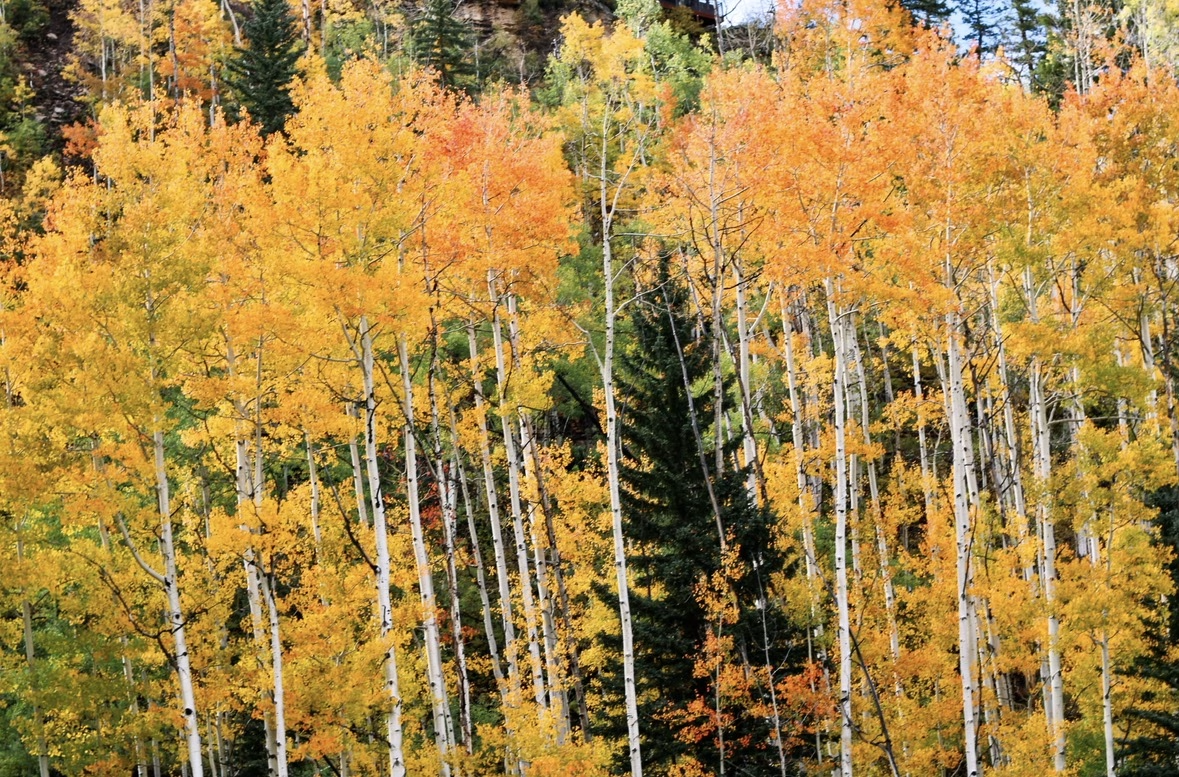
Coloradans know and love the quaking aspen (Populus tremuloides) for its vibrant fall foliage and striking white bark that stands out against Colorado’s mountain landscapes each autumn. But beyond their beauty, aspens are fascinating trees with unique biology, including massive underground root systems and signature dark markings on their trunks.
Here are a few lesser-known facts, along with home care tips, to help you better understand and protect these incredible trees!
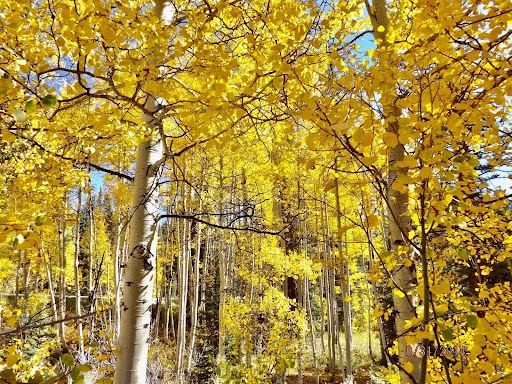
Did You Know Aspen Groves Can Be Among the Largest Living Organisms on Earth?
One of the most intriguing things about aspens is that an entire grove of seemingly separate trees may actually be just one organism.
Aspens reproduce vegetatively through a process called “clonal growth,” where new trees sprout from an underground root system. Each new tree (or “stem”) is genetically identical to the parent tree. Entire aspen groves can therefore share the same root network and DNA, per Colorado Native Plant Society.
Some of these clonal colonies are among the largest living organisms on Earth. Large aspen groves can span dozens of acres and contain tens of thousands of stems, all supported by a shared root network.
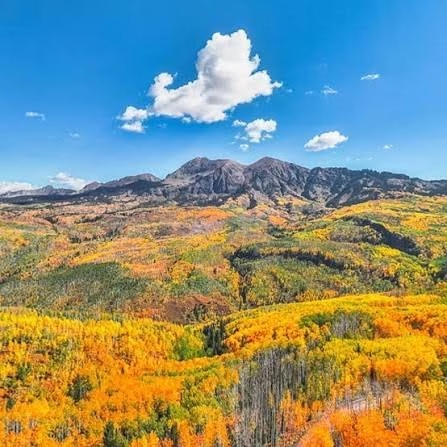
Kebler Pass near Crested Butte is one of Colorado’s most spectacular aspen destinations. Known for its extensive groves and brilliant fall colors, some reports describe an exceptionally large clonal colony in the area.
Why Do Aspens Have “Eyes?”
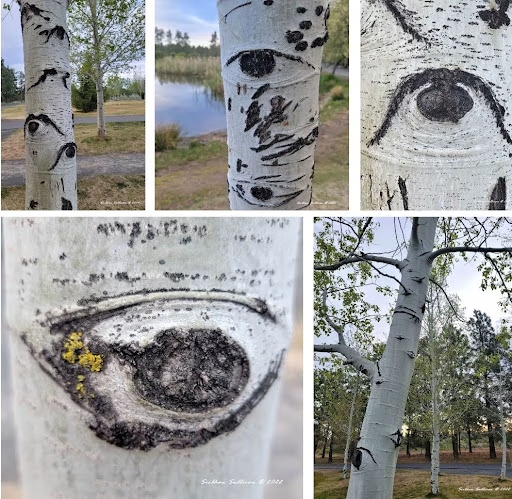
Another stand-out characteristic of aspen trunks are the black “eye” shapes visible on their bark. Amazingly, these form because aspens have a self-pruning feature in which lower branches that are not receiving enough sunlight die and fall, leaving the “eye” mark in their place, according to Northern Woodlands.
The dark coloration develops as exposed tissue within the branch scar dries and weathers, contrasting with the surrounding white bark. Over time, the tree grows new tissue around the scar, creating the distinctive eye-like patterns that make aspen trunks so recognizable, per Bend Branches.
According to the Colorado State Forest Service (CSFS), not every dark mark is a branch scar, however. Aspens also have lenticels —small structures in the bark that allow gas exchange— and may develop discoloration associated with injuries or disease.
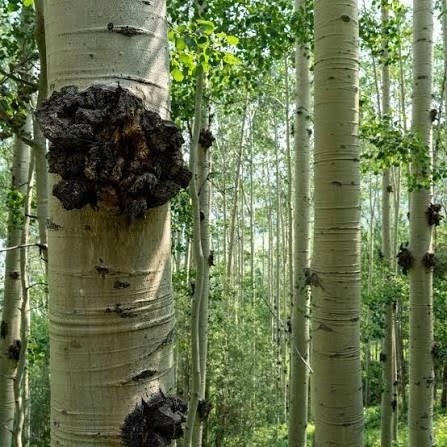
What Are The Bumps on Your Aspen’s Bark?
Their bark is naturally thin and smooth when young, so even small injuries can appear more stark than on trees with thicker bark. Homeowners often notice bumps or knots on their aspen’s bark and wonder why and how they form. While some bumps are harmless, spreading growths often indicate a larger issue.
Common explanations of bumps or knots on aspens, according to Colorado State University (CSU), include:
- Burls– rounded growths that form as a response to stress, injury, or are caused by genetics
- Poplar borers- lay eggs on the bark, and their larvae tunnel into the wood, weakening the tree and creating entry points for disease. Homeowners usually don’t see the insects themselves, but may notice small holes in the bark, sawdust-like material, or areas of oozing sap where larvae are tunneling inside the tree (CSFS).
- Aphids- are very small, soft-bodied insects—usually green, black, or gray—that cluster on leaves and stems. Evidence of aphids can be spotted by the sticky residue (called “honeydew”) they leave behind, which can attract ants or lead to black, dusty mold on leaves and bark (CSU.
- General wound response – aspen trunks are delicate, and hits from lawn or construction equipment, scratching from animals, or other impacts can cause knots to form.
- Cytaspora Canker- is a serious disease caused by fungus that manifests in small, bumpy, black lesions. The bark of an infected tree quickly dies– turning from orange to brown/black and oozing liquid. It typically affects wounded areas of the trunk.
Because several conditions can produce similar symptoms, it’s important not to assume that every bump or darkened area indicates disease. An ISA Certified Arborist can help identify the cause and determine whether treatment or monitoring is necessary.
Aspen Trees in Durango, Colorado: Why They Struggle in Residential Landscapes
A defining part of the landscape around Durango, aspens, especially at higher elevations and in natural mountain stands, benefit from cooler temperatures, adequate soil moisture, and less disturbance. You can view thriving groves that combine these factors for success on the San Juan Skyway from Molas Pass to Silverton and in the La Plata Mountains (Colorado Native Plant Society)
However, aspens planted in residential areas—particularly at lower elevations—often face significantly more stress.
Research across Colorado shows that aspen decline is strongly linked to environmental stress, which then opens the door to insects and disease, per Science Direct. In urban and suburban settings, common stressors include:
- Drought or inconsistent watering
- Compacted soils from foot traffic or construction
- Damage to their trunks from lawn equipment or animals
- More direct exposure to heat and sun
- Increased vulnerability to insects and fungal pathogens
Because of these environmental stressors, aspens in residential settings are more susceptible to what scientists refer to as Sudden Aspen Decline (SAD).
SAD is not caused by a single insect pest or disease, but rather a combination of stress factors—most commonly drought and heat—that weaken the tree over time. Once stressed, aspens become more vulnerable to secondary issues like borers and fungal diseases, which can accelerate decline (Worrall et al., 2013; U.S. Forest Service).
Homeowners may notice thinning canopies, branch dieback, premature leaf discoloration, or entire stems dying off more quickly than expected.
Caring for Aspen Trees in Durango, Colorado
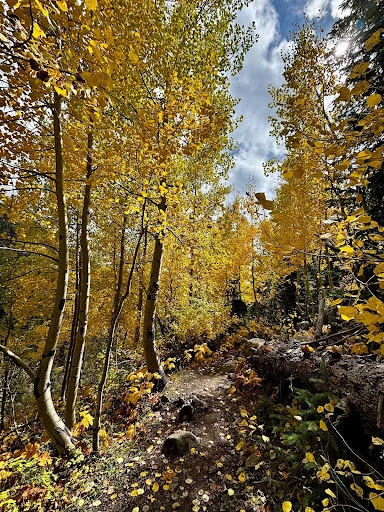
Aspens can be a gem to have on your property, but they do best with attentive care, especially in Durango’s residential areas at lower elevations.
A few key maintenance measures go a long way:
- Water deeply during dry periods (read our watering guide for more details)
- Avoid bark damage– install protective fencing to keep the possibility of collisions and animal encounters to a minimum
- Monitor for early signs of insect pests or disease.
- Watch for thinning or discolored foliage, premature leaf drop, dead or dying branches, small holes in the bark, sawdust-like frass, and areas of oozing sap.
- Poplar borers may leave visible exit holes or frass, while aphids can often be found clustered on leaves and tender shoots, sometimes accompanied by sticky honeydew.
- Dark, sunken, or expanding areas of dead bark may indicate canker diseases.
- Identifying these symptoms early can help prevent minor problems from becoming more serious (CSFS).
- Consider professional Plant Health Care.
- An Arborist can assess soil conditions, irrigation practices, root-zone health, and potential insect or disease concerns.
- Depending on the tree’s needs, Plant Health Care may include soil decompaction, mulching, irrigation adjustments, or targeted treatments to improve growing conditions and address specific problems.
Because these trees are particularly sensitive to drought, heat, and physical disturbance, maintaining healthy soil conditions and minimizing unnecessary stress can make a meaningful difference. Regular monitoring also allows homeowners to recognize early signs of decline and address potential problems before they become more difficult to manage.
If you’re concerned about the health of your aspen trees, an ISA-Certified Arborist can help assess their condition and recommend appropriate care for your property.

 Codi Coghlan