Why Are My Ponderosa Pines Turning Yellow?
 Codi Coghlan
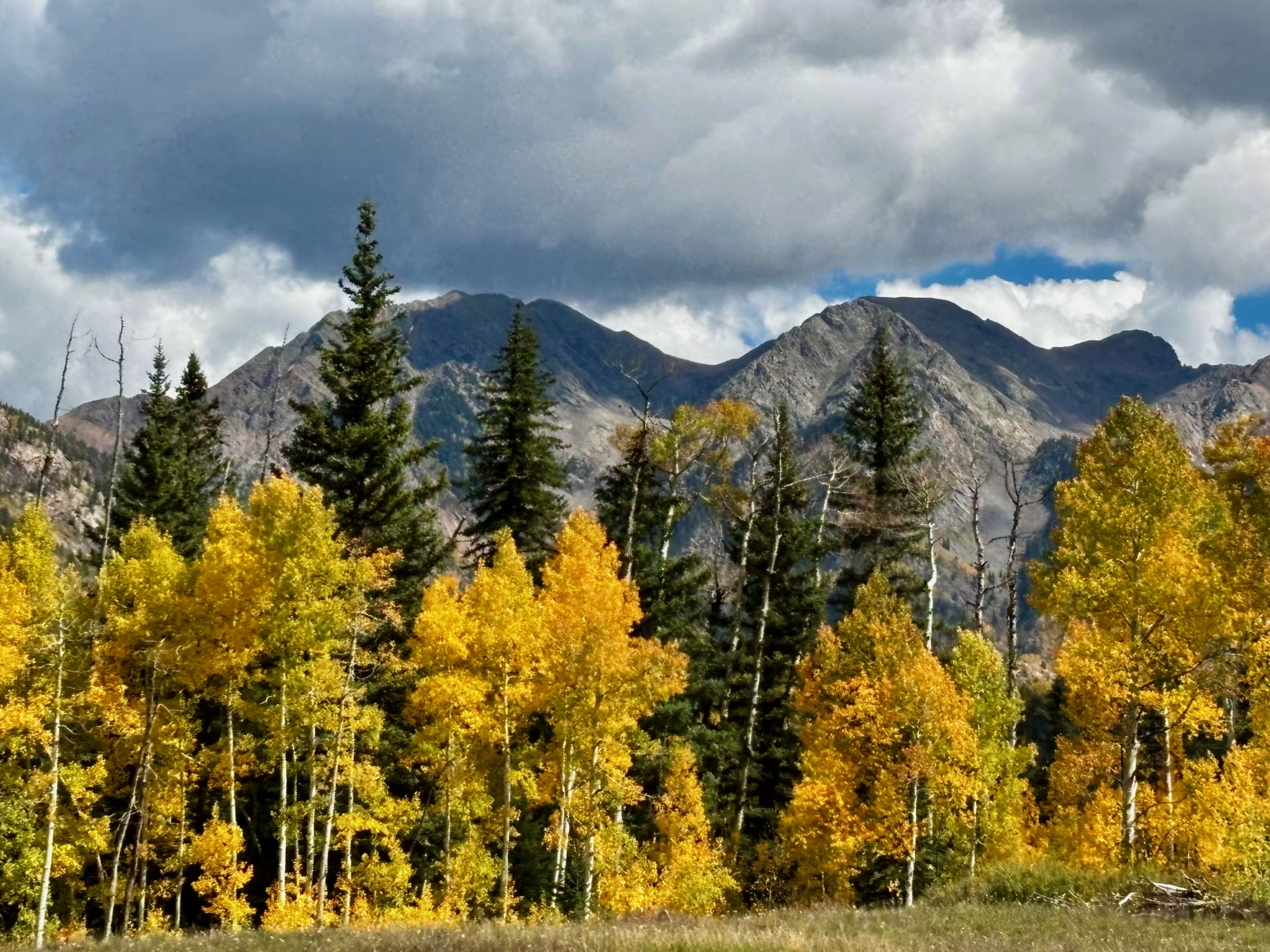
Each fall, as daylight shortens and temperatures cool, aspens and cottonwoods begin preparing for winter, breaking down chlorophyll, recovering valuable nutrients, and revealing the yellow and orange pigments that were present in their leaves all along.
Around the same time, you may notice yellow or brown needles appearing among the green branches of our native Ponderosa pines. For those accustomed to thinking of evergreens as forever green, the change can raise a reasonable question: Is something wrong with my tree?
Often, the answer is no. Ponderosa pines also undergo seasonal needle shedding, gradually replacing older foliage while retaining younger needles. The distinction lies in understanding where the discoloration occurs, how it develops, and what other symptoms might be present.
Learning to recognize these patterns can help us distinguish a tree’s natural seasonal rhythms from early signs of stress or decline.
The Science Behind Fall Color
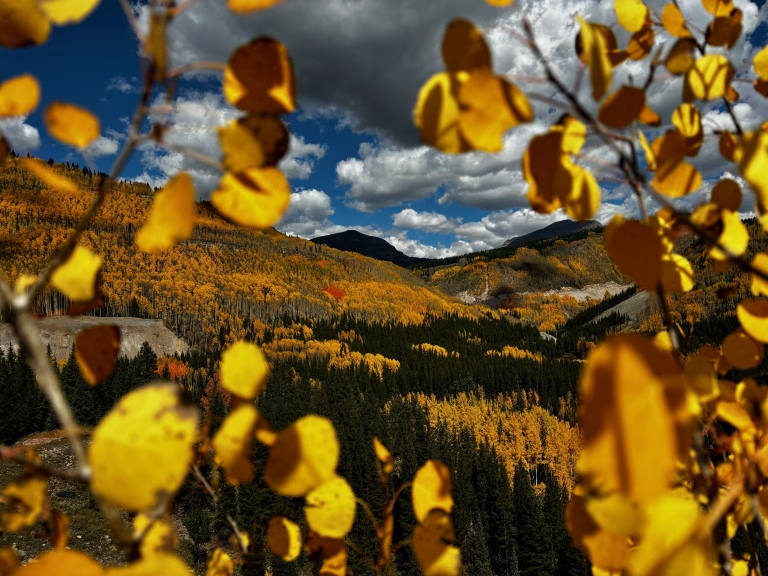
The changing colors of autumn are part of a carefully regulated biological process known as leaf senescence. As daylight hours shorten, deciduous trees begin preparing for winter by gradually shutting down photosynthesis in their leaves and recovering resources they can use when growth resumes in spring.
During the growing season, chlorophyll absorbs sunlight to power photosynthesis, giving leaves their familiar green color. Because chlorophyll is continually broken down and replaced, maintaining green foliage requires an ongoing investment of energy. As autumn approaches, trees slow chlorophyll production, allowing other pigments already present in the leaves to become visible. Carotenoids reveal shades of yellow and orange, while some species produce additional pigments called anthocyanins, responsible for many of the reds and purples we associate with fall.
But this transformation involves more than changing pigments. Before shedding their leaves, trees reclaim valuable nutrients, including nitrogen, phosphorus, and magnesium, and store them in living tissues for future growth. Sugars are also redistributed, helping trees prepare for freezing temperatures.
Eventually, a specialized layer of cells forms at the base of each leaf, allowing it to separate from the branch. By shedding foliage before winter, deciduous trees reduce water loss and avoid maintaining delicate leaves through months when freezing temperatures and limited sunlight make photosynthesis less productive.
What we see as fall color is therefore more than a visual change. It is the outward expression of a tree conserving resources, protecting living tissues, and preparing for another growing season.
Seasonal Needle Shedding in Ponderosa Pines
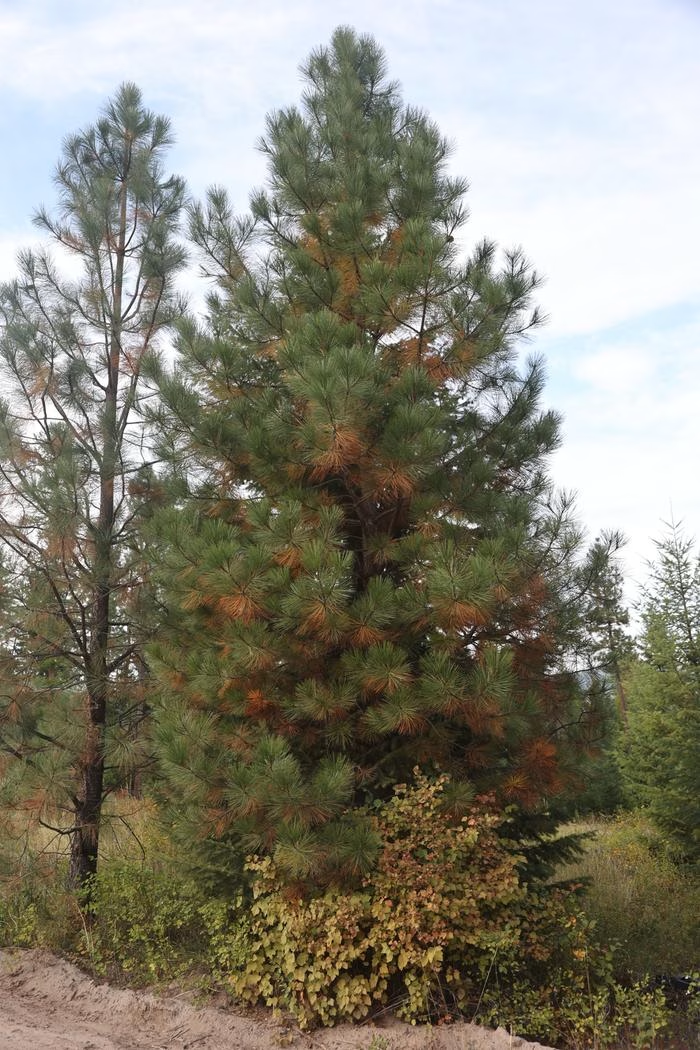
Although we call them evergreens, Ponderosa pines do not retain their needles indefinitely. Individual needles typically remain on the tree for several growing seasons before aging, changing color, and eventually falling away.
Much like deciduous trees, Ponderosa pines undergo a process of foliage senescence. As older needles become less productive, the tree can recover some of their nutrients before shedding them. Unlike deciduous trees, however, Ponderosas replace their foliage gradually, retaining younger needles that allow them to continue photosynthesizing when conditions are favorable.
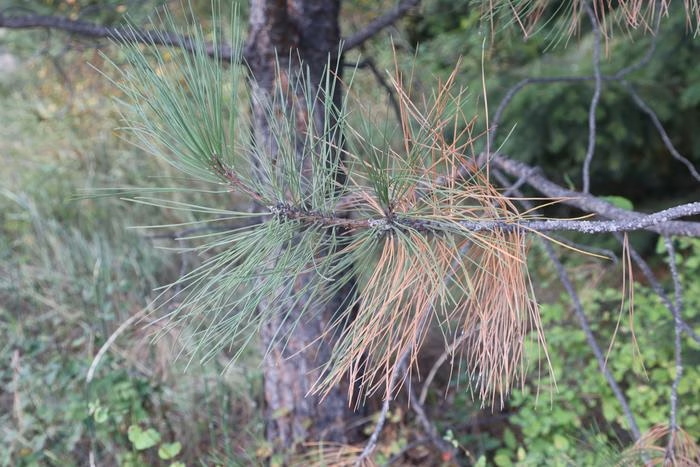
The location of the yellowing offers an important clue. Seasonal needle drop generally occurs toward the interior of the canopy, where older needles grow closer to the trunk. Meanwhile, newer needles near the ends of branches remain green.
The amount of yellowing can vary from year to year. Sometimes the change is subtle; other years, entire sections of interior foliage may turn yellow or brown before falling, making an otherwise healthy tree appear distressed.
This seasonal shedding is a normal part of a Ponderosa pine’s life cycle. The presence of yellow needles alone does not necessarily indicate disease, drought stress, or declining health.
Recognizing Normal Needle Shedding vs. Signs of Stress
When evaluating yellowing needles on a Ponderosa pine, one of the most useful things to observe is where the discoloration occurs. Normal seasonal shedding generally affects older needles toward the interior of the canopy, while newer growth at the ends of branches remains green.
Discoloration affecting younger needles, spreading throughout the canopy, or occurring alongside other symptoms may indicate a different process. Drought stress, root damage, insect activity, and certain diseases can all affect needle color and retention.
The following observations can help distinguish typical seasonal changes from conditions that warrant closer examination.
| Often Consistent With Normal Needle Shedding | Worth Investigating |
|---|---|
| Older needles yellowing toward the interior of the canopy | Newer needles yellowing or browning at branch tips |
| Green, healthy-looking growth toward the ends of branches | Widespread discoloration or noticeable canopy thinning |
| Gradual shedding during fall | Unusual or rapidly progressing branch dieback |
| No other obvious symptoms of stress | Pitch tubes, boring dust, or unusual resin activity on the trunk or branches |
These patterns provide useful clues, but they are not definitive diagnoses. A Ponderosa pine may be shedding older needles naturally while also experiencing an unrelated health problem.
Other Factors That Can Cause Needle Discoloration
Not all yellowing is seasonal. Several environmental and biological factors can influence the health and appearance of Ponderosa pine foliage.
- Drought and water stress: Prolonged periods of inadequate soil moisture can cause premature needle loss, reduced growth, and canopy thinning. Trees experiencing water stress may also become more vulnerable to certain insects and diseases.
- Root disturbance and soil conditions: Compacted soils restrict the movement of air and water through the root zone, while construction damage, grading, and other disturbances can reduce a tree’s ability to absorb moisture and nutrients. Because symptoms often appear in the canopy, the underlying problem may not be immediately apparent.
- Insects and diseases: Bark beetles, needle diseases, and other pests can contribute to discoloration and foliage loss. Depending on the cause, additional symptoms may include resin deposits, boring dust, branch dieback, or distinct patterns of needle damage.
- Environmental stress: Temperature extremes, unusual weather patterns, and changes in growing conditions can also affect needle retention and overall tree vigor. In some cases, visible symptoms develop months after the original stress occurred.
Understanding the cause matters because these conditions require different responses. Some may benefit from improved soil conditions, supplemental watering, or targeted Plant Health Care treatments, while others may simply warrant monitoring.
Rather than treating yellow needles as a diagnosis in themselves, an arboricultural assessment considers the entire tree: its foliage, branching structure, root environment, growing conditions, and history of stress. This broader perspective helps determine whether intervention is necessary and, if so, which approach is most appropriate.
Reading the Seasons in Our Trees
The seasonal changes we observe in our trees offer a glimpse into the biological processes that allow them to adapt and persist. Even our evergreens are continually renewing themselves, shedding older foliage while maintaining the growth that will carry them into another season.
Understanding these natural cycles helps us become more attentive stewards of our trees. It allows us to recognize when a change is simply part of a tree’s life cycle, avoid unnecessary treatments, and identify symptoms that may indicate a need for closer examination.
If you’re uncertain whether your Ponderosa pine is experiencing normal seasonal needle drop or showing signs of stress, ISA-Certified Arborists can help assess its condition, identify potential concerns, and determine whether any intervention is warranted.